
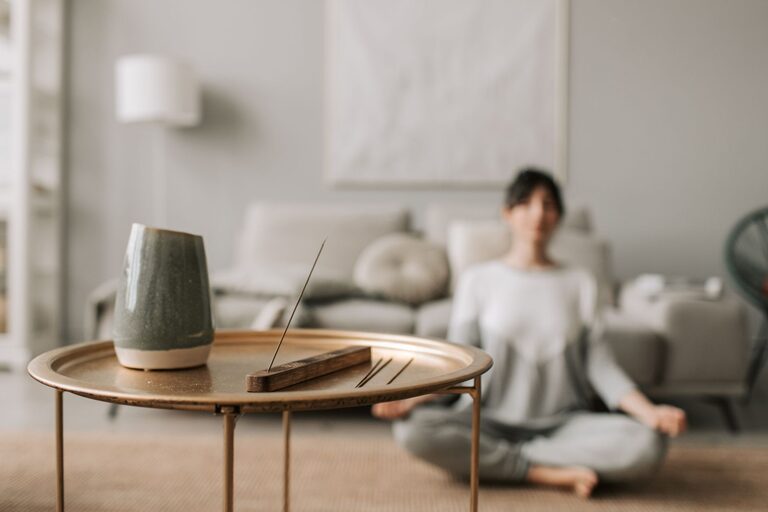
Creating a relaxing home environment can have a powerful impact on your everyday well-being. After a busy day, returning to a calm and soothing space helps reduce stress, improve mood, and promote better rest. Fortunately, you don’t have to completely redecorate or make expensive changes to enjoy a more peaceful home. Small, thoughtful adjustments can make a big difference in how you feel at home.
In this post, we’ll explore easy and practical tips to help you design a calming space that supports your mental and emotional health. Whether you live in a small apartment or a large house, these ideas can be tailored to fit your lifestyle.
Why a Relaxing Home Environment Matters
Our surroundings play a significant role in our mental state. A cluttered or noisy space can increase feelings of anxiety or distraction, while a well-organized, serene environment encourages relaxation and clarity. Creating a home that feels like a sanctuary allows you to recharge, focus, and enjoy your life more fully.
Declutter and Organize Your Space
One of the simplest ways to make your home feel more relaxing is to reduce clutter.
– Clear surfaces: Keep tabletops, counters, and floors free of unnecessary items.
– Use storage solutions: Baskets, shelves, and boxes help keep belongings organized and out of sight.
– Adopt a “one-in, one-out” rule: For every new item you bring in, consider donating or discarding one you no longer need.
– Make daily tidying a habit: Spending a few minutes each day tidying can prevent mess from building up.
A decluttered home promotes a sense of order and calm, reducing visual distractions and helping your mind to unwind.
Choose Soothing Colors and Lighting
Colors and lighting can greatly influence your mood and energy levels.
– Opt for soft, neutral tones: Shades like soft blues, gentle greens, warm beiges, and pale grays create a calming backdrop.
– Add natural light: Open curtains and blinds during the day to bring in daylight, which supports circadian rhythms and boosts mood.
– Use layered lighting: Combine overhead lights with floor lamps and table lamps to adjust brightness as needed.
– Try warm light bulbs: Soft white or warm yellow lighting feels cozy and inviting, ideal for relaxation.
– Consider light dimmers: Dimmers allow you to control light intensity to suit different times of day and activities.
Finding the right lighting and color combination helps craft a peaceful ambiance in every room.
Incorporate Natural Elements
Bringing nature indoors can reduce stress and improve well-being.
– Add houseplants: Plants like spider plants, pothos, and snake plants are easy to care for and improve air quality.
– Use natural materials: Wood, stone, cotton, and linen add texture and warmth.
– Display nature-inspired artwork: Scenes of forests, oceans, or gardens can create a calming visual focus.
– Open windows when weather permits: Fresh air refreshes your home and your mind.
Connecting with nature indoors is a simple way to foster a soothing atmosphere.
Create Comfortable, Cozy Spaces
Your home should be a place where you feel physically comfortable and emotionally safe.
– Invest in comfortable furniture: Choose chairs, sofas, and beds that offer good support and softness.
– Use soft textiles: Throw blankets, cushions, and rugs add layers of comfort and warmth.
– Set up a relaxation nook: Dedicate a corner for reading, meditation, or simply unwinding with your favorite hobbies.
– Incorporate calming scents: Essential oils, scented candles, or incense with lavender, chamomile, or eucalyptus can help you relax.
Comfortable surroundings encourage you to slow down and enjoy peaceful moments.
Minimize Noise and Distractions
Excess noise and interruptions can disrupt relaxation and focus.
– Use rugs and curtains: These absorb sound and reduce echoes.
– Close doors and windows: Blocking outside noises helps maintain a quiet environment.
– Consider white noise: A small fan or white noise machine can mask disruptive sounds.
– Turn off screens: Reduce the use of gadgets and electronics at least an hour before bedtime to foster restful sleep.
Creating a calm sound environment supports tranquility and prevents stress buildup.
Establish Routines and Rituals
How you use your space matters as much as how it looks.
– Set a daily unwind routine: Activities like journaling, stretching, or listening to music can signal your brain to relax.
– Keep your bedroom for rest: Avoid working or watching TV in bed to associate the space with sleep.
– Limit clutter in specific areas: Keeping workspaces separate from leisure zones creates mental boundaries.
– Practice mindfulness: Being aware of your home environment and appreciating small comforts enhances your sense of well-being.
Routines and rituals foster a positive relationship with your living space.
Make Use of Technology Thoughtfully
Technology can be both a help and a hindrance when creating a relaxing home.
– Use smart lighting: Automated lights can gently wake you up or dim in the evening to improve sleep cycles.
– Manage screen time: Set limits for devices and avoid having screens in bedrooms.
– Play calming sounds: Apps or devices that play nature sounds or gentle music can enhance relaxation.
– Consider air purifiers: Improving indoor air quality supports physical comfort.
Choosing technology that supports relaxation without overwhelming your senses is key.
Final Thoughts
Transforming your home into a relaxing oasis doesn’t require big changes or major expense. By decluttering, using soothing colors and lighting, incorporating natural elements, and creating cozy, quiet spaces, you can build an environment that enhances your daily well-being. Pair these ideas with mindful routines and thoughtful use of technology to fully enjoy the comfort your home can offer.
Remember, the goal is to feel calm and content in your surroundings—a place where you can truly rest and recharge for whatever life brings your way. Start with one or two tips today, and gradually create a peaceful home that supports your health and happiness every day.