
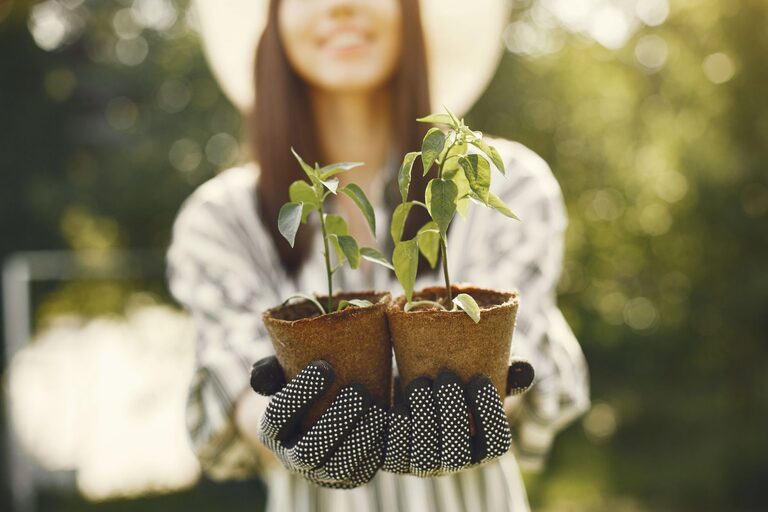
Creating a sustainable home garden doesn’t have to be expensive or complicated. With a little planning and some smart choices, you can grow your own fresh produce, reduce waste, and contribute positively to the environment—all while sticking to a budget. Whether you’re starting from scratch or improving an existing garden, these tips will help you build a green space that’s both eco-friendly and affordable.
Why Choose a Sustainable Garden?
Sustainable gardening focuses on growing plants in a way that conserves resources, supports biodiversity, and minimizes harm to the environment. By gardening sustainably, you save money on groceries, reduce your carbon footprint, and create a healthier living space. It’s a rewarding hobby that benefits you and the planet.
1. Start Small and Plan Wisely
Begin with a manageable garden size. Starting small keeps costs low and helps you focus on learning good gardening habits.
– Assess your space: Choose areas with enough sunlight and good drainage.
– Choose the right plants: Select native or drought-tolerant plants that thrive in your climate with minimal care.
– Draw a simple garden plan: Organize plants by their sunlight and water needs to save resources.
2. Use Seeds Instead of Seedlings
Seeds are generally much cheaper than buying grown plants or seedlings, especially if you want many plants.
– Buy non-GMO, open-pollinated seeds: These often can be saved and reused, reducing future seed costs.
– Start seeds indoors: Use recycled containers like egg cartons or yogurt cups to give your plants a healthy start without extra expense.
3. Compost to Nourish Your Soil
Making your own compost reduces waste and provides nutrient-rich soil amendments for free.
– Collect kitchen scraps: Fruit and vegetable peels, coffee grounds, and eggshells make great compost material.
– Use yard waste: Grass clippings and fallen leaves also add valuable organic matter.
– Maintain your compost pile: Turn it regularly and keep it moist for faster results.
4. Practice Water-Smart Gardening
Saving water is good for the environment and your wallet.
– Collect rainwater: Use barrels or containers to catch rain from downspouts.
– Water early or late: Watering during cooler hours reduces evaporation.
– Mulch your garden: A layer of organic mulch helps retain soil moisture and suppresses weeds.
5. Repurpose and DIY Garden Materials
You don’t need to buy new garden beds, pots, or tools to get started.
– Use reclaimed wood: Build raised beds or garden boxes from pallets or old furniture.
– Recycle containers: Old buckets, tins, or crates can become unique planters.
– Make your own tools: Simple garden tools can be crafted or repaired to save money.
6. Grow Vertical and Container Gardens
If space is limited, vertical and container gardening maximize your growing area without breaking the bank.
– Vertical gardening: Use trellises, hanging planters, or wall-mounted pockets to grow climbing plants like beans, peas, or tomatoes.
– Container gardening: Reuse pots and buckets to grow herbs and small vegetables on patios or balconies.
7. Encourage Beneficial Wildlife
Attracting pollinators and natural predators helps your garden thrive naturally.
– Plant native flowers: Bees, butterflies, and other pollinators will visit your garden.
– Provide habitats: Leave small areas of undisturbed soil or plant a mix of vegetation to house beneficial insects.
– Avoid chemicals: Skip synthetic pesticides and fertilizers to protect wildlife and your health.
8. Share and Swap with Others
Engaging your community can be both fun and cost-effective.
– Exchange seeds and plants: Swap extras with neighbors or online gardening groups.
– Share tools and resources: Borrow or lend garden tools to reduce purchases.
– Join community gardens: Collaborate in shared spaces that often provide access to affordable gardening resources.
9. Keep Learning and Experimenting
Gardening is a continuous learning process that can save time and money in the long run.
– Read books and blogs: Many free resources are available online to help improve your skills.
– Attend local workshops: Botanical gardens, libraries, and community centers often host free or low-cost classes.
– Keep a garden journal: Track what works well and when, so you can plan better every season.
Final Thoughts
Building a sustainable home garden on a budget is both achievable and rewarding. By planning thoughtfully, using resources wisely, and embracing eco-friendly practices, you’ll nurture a thriving garden without overspending. Enjoy the satisfaction of growing your own food, supporting nature, and creating a greener home all at once. Happy gardening!